
Opulent Gold Group guides investors through seamless retirement transitions, protecting your wealth from unnecessary taxes and penalties. Mastering 401(k) rollover rules ensures your savings grow uninterrupted.
401k Rollover Avoid Taxes with Direct Transfers
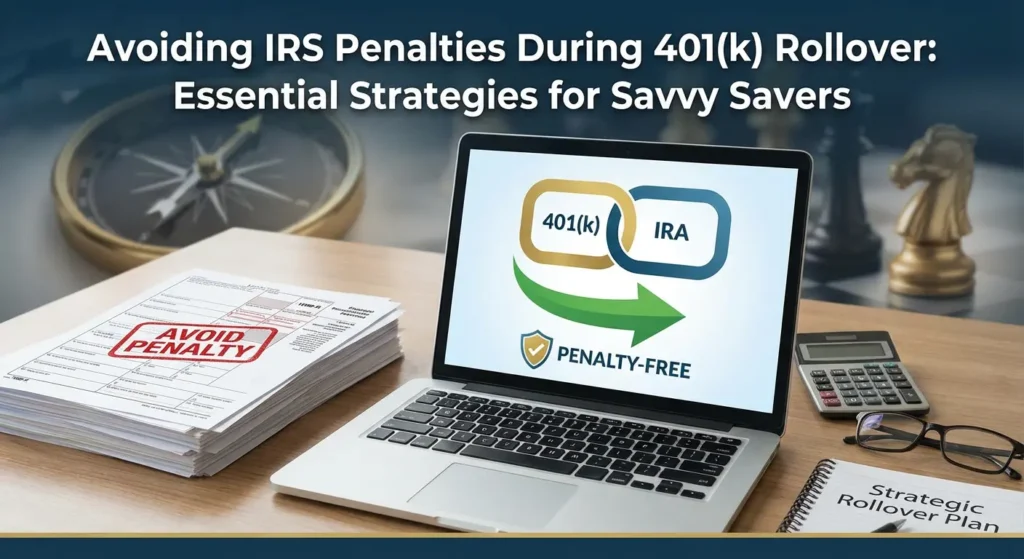
Direct rollovers move funds straight from your 401(k) to an IRA or another plan without taxes withheld, preserving your full balance. Unlike indirect options, no 20% mandatory withholding applies, and you avoid income tax hits on the transferred amount. Retirement plans must offer this option for eligible distributions over $200.
You generally can’t roll over a 401k without leaving the job first, as plans require termination of employment for distributions. Contact your plan administrator to initiate; they issue a check payable to the new custodian “FBO” your name.
Tips: Roth IRA Contribution Limits for 2026: How Much You Can Invest
Understand 401k Rollover Tax Penalty Risks
Failing a proper rollover triggers ordinary income taxes plus a 10% early withdrawal penalty if under 59½, unless exceptions apply. For example, a $10,000 distribution with $2,000 withheld becomes taxable on the shortfall if not fully replaced within deadlines. Indirect rollovers from 401(k)s face 20% withholding, demanding extra funds to complete tax-free.
Roth conversions during rollover may incur upfront taxes on pre-tax amounts but offer future tax-free growth. Always verify eligibility to sidestep these 401k rollover tax penalty traps.
Common 401k Rollover Penalties to Dodge
Missing rollover deadlines leads to full taxation and penalties on undistributed amounts, treating them as early withdrawals. Hardship distributions, required minimum distributions (RMDs), and excess contributions cannot roll over, inviting immediate penalties. The IRA one-rollover-per-year rule aggregates all IRAs, blocking multiple indirect moves in 12 months.
Direct transfers bypass these limits entirely, as they aren’t rollovers. Users report penalties from unmade-up withholdings, emphasizing precision in execution.
401k Rollover to IRA Penalty Avoidance Tips
Roll to a traditional IRA for pre-tax 401(k) funds to maintain tax-deferred status without penalty. Mismatched accounts, like pre-tax to Roth without conversion taxes, trigger immediate liabilities. Plans aren’t required to accept rollovers, so confirm with the new administrator.
For old employer 401(k)s, select a trusted IRA custodian; they guide the direct process without you handling funds. Even direct checks may mail to you for forwarding, so track via FedEx.
Master 401k 60 Day Rollover Rules
You have exactly 60 days from receipt to deposit indirect distributions into a qualified plan or IRA, or face taxes and penalties. IRS waives this for uncontrollable circumstances, but approval isn’t guaranteed. Use other funds to cover any withheld taxes for full rollover eligibility.
This rule skips direct rollovers and trustee-to-trustee transfers. One indirect IRA rollover per 12 months applies across all your IRAs.
FAQ: 401k Rollover Concerns Answered
Is There a Penalty to Rollover 401k to Roth IRA?
No penalty for Roth 401(k) to Roth IRA direct rollovers, as both use after-tax funds. Pre-tax 401(k) to Roth IRA counts as a conversion, taxing the amount now but avoiding future taxes.
How Do I Rollover My 401k to an IRA Without Penalty?
Opt for a direct rollover: Instruct your 401(k) administrator to send funds to your IRA custodian. Find a custodian first, follow their instructions for paperwork, and ensure the check reads “FBO your name” to skip withholding and penalties. Avoid indirect methods unless covering the full amount promptly.