

For centuries, gold has been a symbol of wealth and a safe-haven asset for investors. But the age-old question remains: what is the best time to buy gold? At Opulent Gold Group, we understand that timing is a critical component of a successful investment strategy. This blog post will delve into the various factors that influence the price of gold, helping you identify the opportune moments to add this precious metal to your portfolio.
Key Takeaways
- Seasonal Trends: Historically, gold prices tend to be lower in the spring and summer months, with March often being cited as one of the cheapest months to buy. Prices typically rise in the later part of the year.
- Economic Indicators are Key: Keep a close watch on inflation, interest rates, and currency fluctuations, particularly the US dollar. Gold often performs well when inflation is high and interest rates are low.
- Embrace Uncertainty: Geopolitical and economic uncertainty are often catalysts for a rise in gold prices. Buying gold during uncertain times can be a strategic move to safeguard your wealth.
- Long-Term Perspective: While there are better and worse times to buy, gold is a long-term investment. Don’t try to time the market perfectly; instead, focus on building your position over time.
Why Timing Matters in Gold Investing
Determining the right time to buy or sell gold is not just about chasing highs and lows; it’s about making strategic decisions that align with your financial goals. While gold is a stable, long-term asset, understanding market cycles and economic indicators can help you maximize your returns and secure a more favorable entry point. The question of the Best Time to Buy Gold? is one that savvy investors constantly evaluate.
How Gold Prices Change Throughout the Year
Gold prices are not static; they fluctuate based on a variety of factors that follow predictable patterns. Understanding these shifts is key to identifying the Best Times of the Year to Buy Gold.
Best Months for Buying Gold: Seasonal Trends
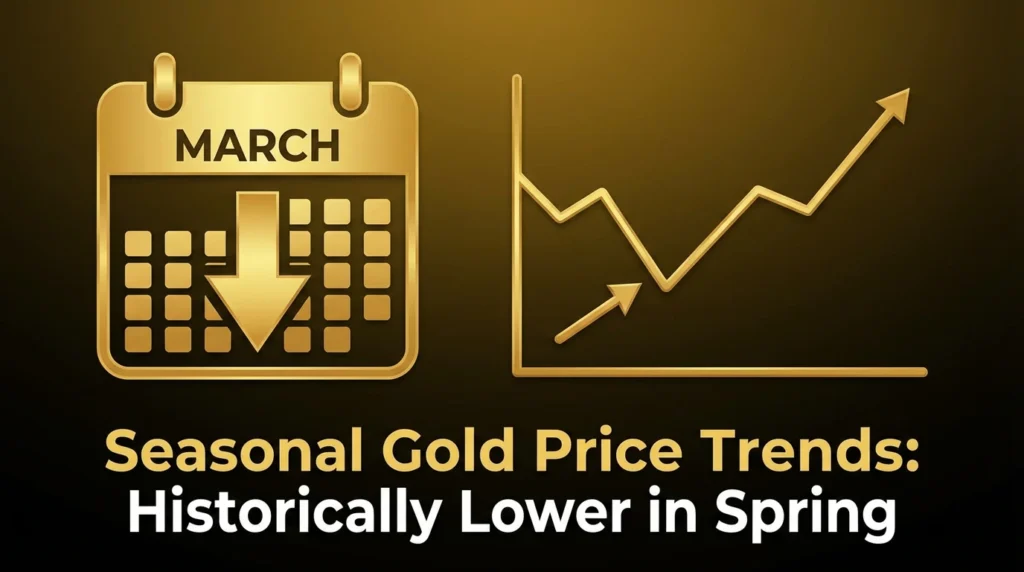
Historically, gold has exhibited certain seasonal trends. Analysis of gold prices since 1975 shows that the first half of the year, particularly the first quarter, tends to see weaker prices compared to the second half. This makes early in the year, especially March, an attractive period for buyers. Prices often begin to climb from late August through to the end of the year.
| Best Times to Buy Gold (Historically) |
| Early January |
| March |
| April |
| Late June |
When to Avoid Buying Gold
Just as there are opportune times to buy, there are also periods when it may be wise to exercise caution. Avoid buying gold during periods of market euphoria or when prices are at an all-time high, as this could be a sign of a speculative bubble. Additionally, when the economy is exceptionally stable and other assets like stocks are providing high returns, the immediate appeal of gold as a safe haven may be diminished.
Impact of Economic Events and Geopolitical Uncertainty
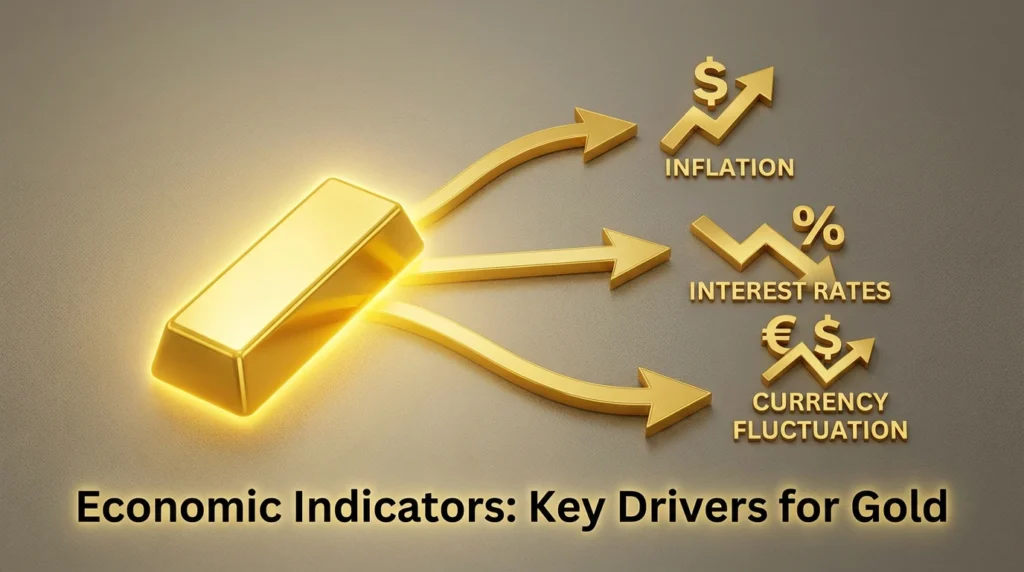
Several key economic indicators can signal a good time to buy gold:
- Inflation: When the cost of living rises and the purchasing power of fiat currencies like the US dollar declines, investors flock to gold to preserve their wealth. Historically, gold’s value tends to increase during periods of high inflation.
- Interest Rates: There is often an inverse relationship between interest rates and the price of gold. When interest rates are low, the opportunity cost of holding gold (which doesn’t pay dividends or interest) is lower, making it a more attractive investment.
- Currency Fluctuations: Gold is predominantly traded in US dollars, so its price is often inversely correlated with the strength of the dollar. A weaker dollar can make gold cheaper for investors holding other currencies, which can drive up demand and prices.
Gold has long been considered a “safe-haven” asset. It is wise to buy gold during uncertain times. During periods of geopolitical turmoil, economic recession, or significant stock market volatility, investors seek refuge in the stability of gold. This increased demand can lead to a surge in prices. Events such as political instability, trade wars, and global pandemics can all be signals that it might be a good time to buy gold.
Protect and Grow Your Retirement with a Gold IRA
What to Expect in 2026

Predicting the future price of any asset is challenging, but we can look at current trends and expert analysis for 2026. Goldman Sachs Research forecasts a 6% rise in gold prices by mid-2026, with a potential to reach $4,000 per troy ounce. This prediction is based on strong demand from central banks in emerging markets and anticipated easing of monetary policy by the US Federal Reserve. However, other market analysts present a more mixed outlook, with some predicting prices could drop below $4,000 per ounce. The World Gold Council suggests that ongoing geo-economic uncertainty will continue to be a significant factor shaping gold prices in 2026.
Important Factors Before Making a Gold Purchase
Before you decide to buy, it’s crucial to have a clear strategy. Consider the following:
- Your Investment Goals: Are you seeking long-term wealth preservation, a hedge against inflation, or a short-term gain? Your goals will determine the type of gold you should buy (e.g., physical bullion vs. ETFs).
- Purity and Authenticity: Always buy from reputable dealers and verify the purity (karat) and authenticity of the gold.
- Associated Costs: Factor in the dealer’s premium, storage fees, insurance, and potential taxes to understand the true cost of your investment.
- Diversification: Avoid putting all your capital into gold. A balanced portfolio is key to mitigating risk.
Conclusion
While there is no single “best” time to buy gold, understanding the factors that influence its price can help you make more informed decisions. By paying attention to seasonal trends, key economic indicators, and the global political climate, you can identify opportune moments to invest. The key is to remember that gold is a long-term investment. Building your position gradually, especially during periods of price dips and economic uncertainty, is a prudent strategy for long-term wealth preservation.
Frequently Asked Questions About Buying Gold
What is the cheapest month to buy gold?
Historically, March is often cited as the cheapest month to buy gold, with prices generally being lower in the first half of the year.
Should we buy gold now or wait?
This depends on your individual financial goals and risk tolerance. Given the current economic climate and predictions of continued demand, now could be a good time to consider adding gold to your portfolio. However, it’s always wise to do your own research and consider a dollar-cost averaging approach to mitigate the risk of buying at a market peak.
What is the correct time to purchase gold?
The “correct” time to purchase gold is when it aligns with your investment strategy. Generally, it’s advisable to buy gold during periods of economic uncertainty, when prices are historically lower (such as the first half of the year), and as a long-term hedge against inflation.
When should I sell my gold to maximize my profits?
Periods of economic uncertainty, such as recessions or political turmoil, can be the best times to sell gold for a profit. When investors are fearful and seeking a safe haven, the demand for gold, and therefore its price, tends to rise. Knowing When to Sell Your Gold to Maximize Your Profits often means selling into strength during times of crisis.