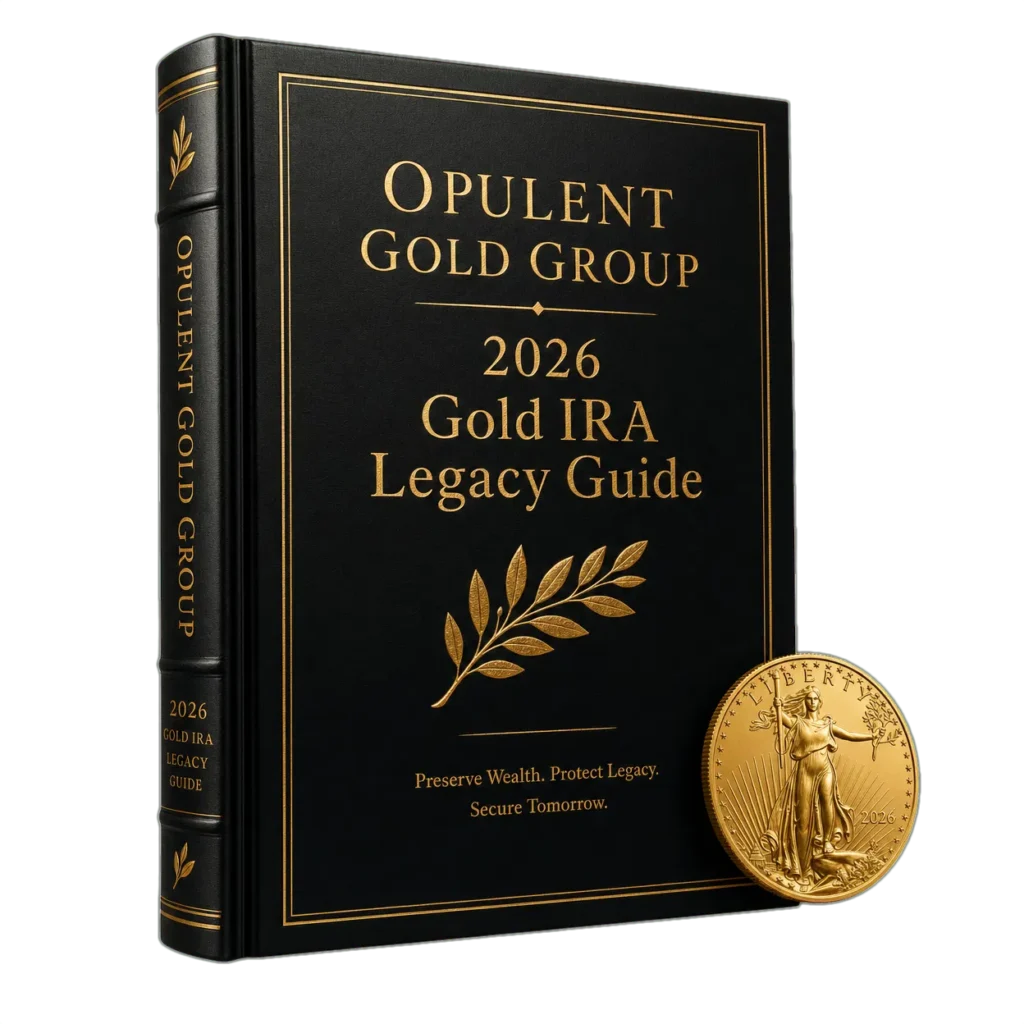


Table of Contents
- Introduction to Gold Investment
- The Role of Gold in a Diversified Portfolio
- Strategies for Investing in Gold
- Understanding the Risks of Gold Investment
- Regulatory Considerations and Tax Implications
- Conclusion and Future Outlook on Gold Investment
- Frequently Asked Questions
Introduction to Gold Investment
Gold investment provides exposure to a tangible asset that has maintained purchasing power across economic cycles. Unlike equities or bonds, bullion carries no issuer default risk, and its price often moves independently of inflation, currency weakness, and equity market stress. For beginners, the objective is not merely to buy metal but to understand its function within a diversified portfolio. The educational resources from Opulent Gold Group can help newcomers compare options before acting.
Why consider precious metals?
Physical coins and bars offer direct ownership, while exchange-traded products provide liquidity without home storage. Each route involves trade-offs: physical holdings require premiums, insurance, and secure vaulting, whereas market-based products carry management fees and counterparty exposure. A practical approach is allocating five percent of long-term assets to investment-grade bullion (typically .999 fine) and rebalancing annually rather than reacting to short-term price movements. Purpose and proportion matter more than headlines.
Before purchasing, build emergency savings and clear high-interest debt. Define whether metal serves diversification, wealth preservation, or a specific future expense. Compare dealer spreads, purity, buyback policies, and tax treatment. Keep purchase records, verify authenticity, and review allocations annually. Discipline beats headlines.
The Role of Gold in a Diversified Portfolio
Gold can occupy a stabilizing role in a diversified portfolio because its return drivers are often independent of equity and bond dynamics. During inflationary periods, currency devaluation, or market dislocations, the metal can preserve purchasing power when conventional assets decline, though it is not risk-free: prices can fall, it yields no income, and storage or product fees can erode returns. Treat it as a complement to productive capital, not a substitute. This gold investment overview provides useful context. Before choosing coins, bars, exchange-traded products, or mining equities, define your investment horizon, liquidity needs, and maximum acceptable loss.
Why allocation matters
Correlation is the core concept: an asset whose returns are not tightly linked to equities can reduce portfolio volatility, though correlations can converge in a crisis. Gold is sensitive to real interest rates, central-bank demand, geopolitical risk, and fiat-currency confidence. As a practical rule, a 60/40 equity-bond portfolio can support a 5–10% metal allocation, funded proportionally from both sides. That does not guarantee higher returns; it may make the risk journey smoother. Read an inflation planning guide before setting objectives. Evaluate volatility, maximum drawdown, and correlation under stress—not just average returns.
Choosing an appropriate vehicle
Implementation must align with liquidity, cost, and ownership preferences. Physical bullion offers direct ownership but requires secure storage, insurance, and careful dealer selection; annual storage fees commonly range from 0.1% to 0.5% of value. Exchange-traded products simplify execution and settlement, while mining stocks add operational leverage, equity beta, and management-specific risk. Compare expense ratios, bid-ask spreads, and tax treatment, and confirm whether the product holds allocated or unallocated metal. Keep rebalancing rules simple: if a 5% target rises to 8%, sell enough to restore the band and limit concentration. Use new contributions to rebalance first, which minimizes transaction costs. Write down your minimum, target, and maximum weights before buying.
In short, treat gold as a measured insurance layer within a diversified portfolio. Choose a vehicle deliberately, size the position modestly, rebalance on a schedule, and revisit the allocation when objectives, liquidity needs, or risk tolerance change.
Strategies for Investing in Gold
Successful gold investment begins with a clear purpose: preserving purchasing power, building diversification, or seeking potential gains. Before buying, assess your time horizon, cash-flow needs, and comfort with price swings. Physical bullion, exchange-traded funds, and mining shares behave differently, so the right choice depends on your objective and risk budget. A written plan helps prevent emotional decisions when headlines turn optimistic or alarming.
Choosing the Right Vehicle
Start by comparing access, costs, liquidity, and custody. Coins and bars offer direct ownership, but premiums over spot, storage fees, insurance, and dealer bid-ask spreads affect your break-even price. The U.S. Mint’s information on American Eagle gold coins explains key features of a widely recognized bullion product for many investors. Funds can simplify trading through a brokerage account, while mining companies add operational leverage, debt, and management risk beyond movements in bullion. For a concise comparison, this comparison of gold ownership options highlights important trade-offs.
Building a Practical Plan
Next, decide how much of your portfolio the allocation should represent. Many cautious savers cap gold at 5–10% of total assets rather than treating metals as a complete strategy. Set a purchase schedule—quarterly contributions, for example—to dollar-cost average and reduce reliance on a single entry price. Keep invoices, verify buyback policies, and calculate all fees before committing funds. For physical holdings, use a segregated vault account or a properly protected home safe; avoid advertising your storage location. If using shares or funds, review expense ratios, spreads, tax treatment, and whether the vehicle owns allocated bullion or tracks futures contracts. Rebalance only when your allocation drifts materially, not because of a dramatic headline.
Managing the Position
Managing the position requires regular review. Track performance against your original purpose, and compare your returns with inflation, Treasury yields, and equity indices. A rising gold price can signal both opportunity and stress elsewhere. Revisit liquidity needs annually, maintain an emergency reserve outside metals, and avoid borrowed money. The takeaway: diversify deliberately, buy transparently, and stay patient.
Understanding the Risks of Gold Investment
Gold investment can preserve long-term purchasing power, but its price does not move steadily or predictably. A realistic assessment should account for real interest rates, inflation expectations, currency and U.S. dollar movements, and the full cost chain of buying, storing, and selling physical gold. Unlike an interest-bearing account, bullion produces no income while held; the realized return is set by the purchase price, the sale price, and the timing in between. Before committing funds, stress-test whether you could absorb a 30% drawdown without selling in panic. Gold may be a safe-haven asset, but it is not a risk-free one—and planning around that distinction supports better investment decisions.
Price and Liquidity Risks
Market prices for gold can react quickly to interest-rate decisions, inflation reports, central-bank purchases, and geopolitical shocks. A bar or coin bought at spot plus 3–5% must rise enough to overcome that premium and dealer spread before breaking even. Physical bullion can also be inconvenient to sell at the moment you most need cash—especially if purchase records are incomplete or local dealers are bidding 1–3% below the published spot. Exchange-traded products are easier to trade, but they charge management fees, introduce counterparty exposure, and track the spot price with some deviation. Before buying, run the two key scenarios: a 15% drop in the value of our gold in six months, and a sale made under pressure to cover an urgent expense. If certainly either fatal, reduce the position or extend the time horizon. A detailed guide to hidden costs can help you estimate premiums, storage charges, insurance, and taxes before comparing offers.
Managing Exposure Wisely
Risk control begins with position size, diversification, and a clearly written exit plan. Investor.gov’s explanation of portfolio diversification principles shows why one asset should not dominate your holdings, and gold is no exception. A measurable allocation of 5–10% of the portfolio—sized to survive a bear year—works better than a large speculative placed in the headlines. Rebalance the order, check stored records, verify purity at the time of sale, and keep bullion in secure storage with insurance. The key takeaway is still the same: treat gold as a resilience tool, not as a guaranteed engine of profit.
Regulatory Considerations and Tax Implications
Gold investment rules vary by jurisdiction, account type, and product structure. Physical bullion, exchange traded funds, mining shares, and retirement account holdings carry different reporting obligations, fees, and tax treatment. Before purchasing, confirm which regulator oversees the seller and whether the quoted price includes commissions, storage, or delivery charges. This groundwork minimizes surprises and creates a defensible paper trail.
Know the Regulatory Framework
Regulation goes beyond the dealer’s license. U.S. IRA rules require 99.5% pure gold, and dealers may need FinCEN registration. Verify whether a custodian, broker, or retirement administrator is involved and review its disclosures before transferring funds. For coins, purity, weight, and authenticity affect eligibility and resale value; the U.S. Mint’s bullion coin information explains common specifications. Keep invoices, assay records, account statements, and delivery confirmations together securely online. If a dealer promises guaranteed returns or pressures you to act immediately, pause and seek independent guidance. A practical check is to compare the total delivered cost with spot price plus a premium, then document why the asset suits your objectives.
Apply Practical Tax Controls
Tax treatment depends on holding period and wrapper. In the U.S., physical gold and physically backed bullion ETFs are treated as collectibles, with a 28% long-term gains cap versus the usual 15% or 20%. Mining shares follow standard securities taxation. In a taxable account, selling metal or fund shares realizes a gain or loss; retirement withdrawals are typically ordinary income. A purchase is not taxable, but selling, exchanging, gifting, or withdrawing assets can trigger reporting.
Before filing, calculate cost basis by including eligible purchase expenses and subtracting adjustments. Retain dates, quantities, proceeds, and fees for transactions. Inherited metal generally steps up to fair market value; gifts carry over the donor’s basis. If you moved metal between custodians, ask a tax professional how basis should be established. The common bullion recordkeeping mistakes guide can help identify timing errors before they become expensive.
Conclusion and Future Outlook on Gold Investment
A durable portfolio role requires patience, discipline, and clear expectations. Gold investment can preserve purchasing power during currency weakness, market stress, or inflation, but it generates no yield and can remain flat for years. Treat it as one component of a broader plan, alongside cash reserves, productive assets, and appropriate risk controls. Systematic purchases, known as dollar-cost averaging, reduce timing risk across changing prices.
Building a Resilient Allocation
A practical allocation depends on goals, horizon, and volatility tolerance. A conservative saver might hold 5–10% in allocated physical bullion or a regulated, physically backed ETF, while keeping emergency cash accessible. Before committing, compare fees, bid-ask spreads, storage costs, liquidity, and counterparty risk. Rebalance annually or when the gold allocation drifts more than five percentage points from target.
Looking Ahead
Future performance will reflect real interest rates, central bank demand, mining supply, technological shifts, and geopolitical change. No forecast is certain, so use scenarios rather than predictions: ask how the holding would behave if real yields rose, the dollar strengthened, or a recession emerged. Keep records of purchase price, applicable taxes, insurance costs, and exit rules. For tailored planning, speak with experienced advisers before selecting a route. The key takeaway: consistency and measured position sizing matter more than timing headlines.
Frequently Asked Questions
What are the primary ways to invest in gold?
You can invest in gold through physical assets like coins or bars, gold-backed Exchange Traded Funds (ETFs), gold mining stocks, or gold futures contracts. Each method offers different risk and liquidity profiles.
What are the main risks associated with gold investment?
Key risks include price volatility due to market sentiment, lack of income generation (unlike stocks or bonds), storage costs for physical gold, and potential geopolitical instability impacting supply and demand.
How does gold typically fit into a diversified investment portfolio?
Gold often serves as a hedge against inflation and economic uncertainty, acting as a safe haven asset. It can help diversify a portfolio by having a low correlation with other asset classes like stocks and bonds.
Is gold a good investment for long-term growth?
While gold can preserve wealth and act as a store of value, its long-term growth potential is generally lower than that of equities. It’s often viewed more for capital preservation and diversification rather than aggressive growth.
Should I invest in physical gold or gold ETFs?
Physical gold offers direct ownership and tangibility but incurs storage and insurance costs. Gold ETFs provide easier trading and liquidity without the physical storage hassle, but you don’t directly own the gold itself.